


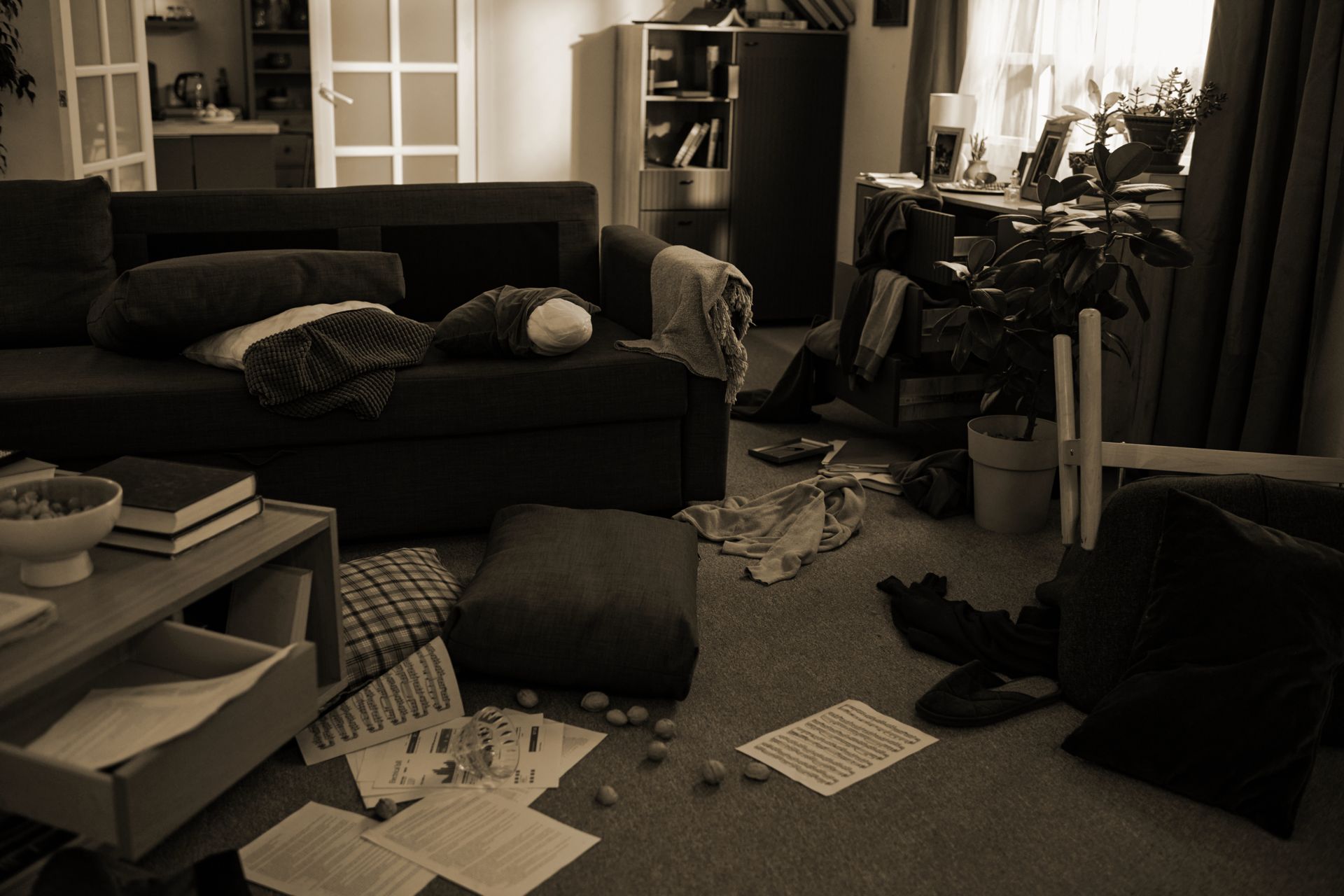
The recent passage of a new criminal offence of cuckooing within the Crime and Policing Act marks a significant milestone after years of sustained advocacy by the Centre for Social Justice and Justice and Care. It is a reform grounded not in theory, but in the lived experience of some of the most vulnerable individuals across the UK.
Cuckooing, sometimes described as “forced home invasion”, occurs when criminals take over the home of a vulnerable person and use it for illegal activity, often drug dealing or exploitation. Victims are frequently targeted because of addiction, poor mental health, disability, or social isolation. What begins as manipulation or grooming can quickly escalate into coercion, intimidation and, in some cases, violence.
For many members of the public, their first awareness of cuckooing came through its depiction in the BBC drama ‘Line of Duty’, where the practice was shown as part of wider organised criminal exploitation. While dramatised for television, the reality experienced by victims across the UK is often equally disturbing.
At its core, this is a profound violation of personal safety. A home which should represent stability and refuge, becomes a site of fear and control. Victims may lose access to parts of their own property, face constant threats, or even feel compelled to leave altogether. As one survivor described it, the experience “totally takes over your life.”
Until now, the law has struggled to respond effectively. While related offences, such as drug supply or aspects of modern slavery, have sometimes been used, they have failed to capture the specific harm inflicted. Critically, victims have too often been misidentified as perpetrators, particularly where criminal activity is taking place within their property. The absence of a specific offence has therefore represented not only a gap in enforcement, but a failure of recognition.
The creation of a standalone offence changes this. It acknowledges that cuckooing is not simply about property misuse, but about the exploitation of vulnerable people. It allows law enforcement to pursue those who exercise control over another person’s home for criminal purposes, with penalties reflecting the seriousness of the harm caused.
For Scotland, the implications are particularly important. While cuckooing has often been associated with urban “county lines” activity in England, evidence suggests it is a growing issue across all communities, including in Scotland. Its impact extends beyond individual victims to neighbours and local areas, bringing anti-social behaviour, intimidation and wider community harm.
However, legislation alone will not be sufficient. The effectiveness of this reform will depend on implementation. There are three priorities that must guide the Scottish response.
First, legal enforcement must focus on those orchestrating the exploitation, not simply those present within a property. Organised criminal networks frequently operate behind the scenes and it is essential that the law reaches those directing the activity.
Second, there must be a clear understanding that some individuals involved in cuckooing, particularly young people, may themselves be victims of exploitation. A significant at-risk group are young care leavers setting up home for the first time. A trauma-informed approach will be essential to avoid perpetuating harm.
Third, victims must receive appropriate support alongside any criminal justice response. Recognition in law is important, but it must be matched by practical pathways to safety, recovery and stability.
The introduction of a cuckooing offence is therefore a major step forward across the UK. It reflects years of frontline insight and policy development. But for Scotland, the real test lies ahead: ensuring that this new law translates into protection, justice, and meaningful change for those whose homes and lives have been taken over.
Kenneth Ferguson is a Senior Fellow at the Centre For Social Justice