


Scotland’s ban on smoking in public places was a groundbreaking piece of legislation which has had a transformational impact on the nation’s health – smoking rates have nearly halved, with a half a million fewer Scots lighting up. There are fewer strokes and serious asthma attacks, and it is credited with a 17 per cent reduction in hospital admissions for heart attacks. Thousands of Scots are living longer, healthier lives as a result.
The legislation demonstrated that bold preventative action by Scotland’s Parliament and its Ministers can make a very real difference to the lives of Scots.
But, as with any major reform, there is always a danger we rest on our laurels, believe the job is done and end up oblivious to new threats. And that is where I fear we have landed with the proliferation of e-cigarettes and vaping in Scotland, especially amongst our young people.
According to ASH Scotland Between 2019 and 2022, e-cigarette use tripled among 16-24 year olds from 5% to 15%. The Scottish Government’s most recent Health and Wellbeing Census, from 2021/22, indicated that 10.1% of 15 year olds and 4.3% of 13 year olds were vaping regularly – these are individuals who weren’t even born when the smoking ban was first enforced.
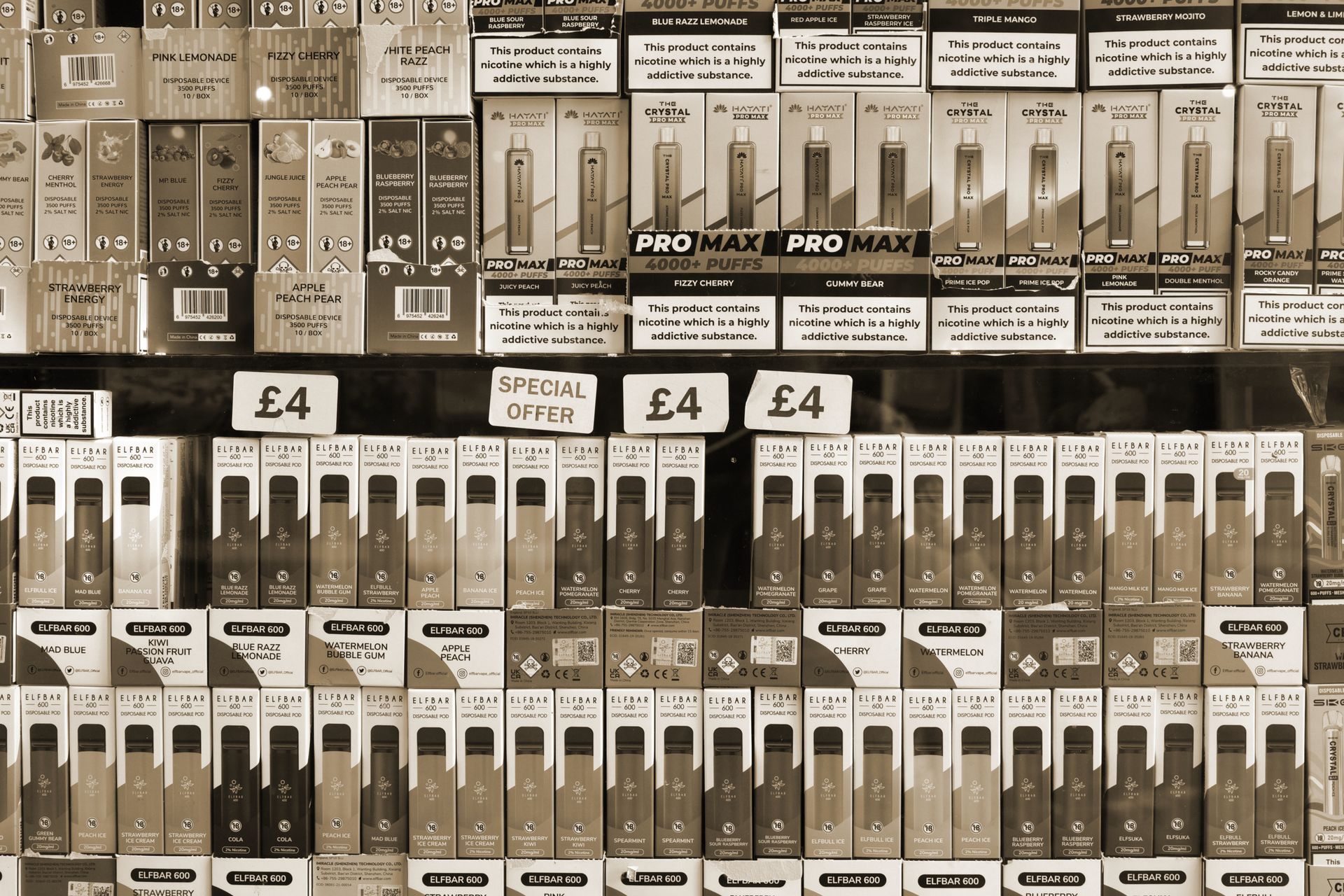
At the same time we have also been seeing vape shops popping up all over our high streets and in our communities. There are revelations in England that vape shops were targeting children and putting them at risk from grooming and abuse. And the manufacturing companies who profit most from increased sales of vapes use exploitative marketing to create a new addiction for this generation, just as their predecessors did with smoking.
These trends should have been cause for concern and further investigation, but were largely ignored. But, it should now be abundantly clear that action is needed to address the growth in vape use and the harm it is causing, especially to our young people.
It is equally important that we learn the lessons of consensus building that was required to get the smoking ban passed in 2005. In recent years the Parliament and our political parties have often been too quick to be tribal, to retreat to short term partisan politics, rather than working together for the good of the country.
In a parliament literally designed so that one party is unlikely to have an overall majority, this can, and indeed has had a devastating impact on the likelihood of much needed change being implemented. Too many big decisions which required cross party working, such as reform of social care or replacing council tax, have failed because of that inability to reach across the aisle.
Passing a controversial law such as the smoking ban, against well-funded tough opposition, required a great deal of working across party and sector lines. It involved working with health campaigners, clinicians, businesses and charities in order to build a national consensus for change and, crucially, to convince the public that the ban was not a political gimmick, but a serious attempt to boost public health and improve life chances.
That same consensus building is required again now, and there are positive signs. Nearly all party manifestos recognised some of the dangers associated with vaping: the worrying increase in use amongst young people, and the need for restrictions on displays and promotions. The Tobacco & Vapes Bill at Westminster, which will restrict advertising of vaping products, is also to be welcomed. These are steps in the right direction but regulation alone is not enough. We must ensure that enforcement of existing and new regulations is properly funded and prioritised, including considering how producers and wholesalers can contribute toward the cost of enforcement.
In my view we also need a serious and engaged debate about how to go further, and faster. The next Scottish Government should lead discussions examining the potential of a ban on the use of vapes indoors and strengthening protections for children while punishing those who are exploiting young users. Crucially, we also have to realise that legislation tends to struggle to keep up with the development of new products, so we also need to consider what, if anything, can be done to future-proof legislation and protect subsequent generations.
There will again be vested interests opposed to these health measures, just as there were 20 years ago. But if our politicians and society can work together, we can prevent the harm done by decades of inaction on smoking being repeated again.
Lord McConnell of Glenscorrodale was First Minister of Scotland between 2001 and 2007 and is chair of Enlighten.
3 comments
Eric Mackay
A welcome and brave initiative. However , Public Health has forever been the Cinderella , ceding continually to the endless financial drain of acute care . So not only does one require cross party collaboration but also a fundamental reordering of the Public Health hierarchy and funding . The preventive case is well established. Smoking was an important start . Furthermore, any initiative on vaping should require coordinated inter departmental working across Scottish Government with the task given clear unambiguous priority as with tackling drug misuse .
Vivienne Wallace
Vaping should be treated in the same way as the smoking ban legislation since it provides a testimony as to how effective it has been in safeguarding public health. The long term effects and health risks of vaping are yet to be known so, introducing safeguards should be a priority in reducing potential harm and the impact that vaping is and can have on public health.
Dave Cross
Legislation should be proportionate and evidence-based, and the evidence to date is that vaping offers a tiny fraction of the risk of smoking – given to be at least 95% safer than tobacco use. Hysterical campaigns misapplying data regarding usage produces bad legislation, and this nonsensical approach to tobacco harm reduction would simply serve to deter adult smokers from switching to a safer option. Legitimate manufacturers and retailers do not market or sell products to children. The rogue traders who do will carry on regardless of a change in the law, they are already operating illegally. First and foremost, almost all people who use vapes are adult smokers or adult ex-smokers, and this should remain the key focus for any debate on changing how vapes are treated.